Autumn Living Tao Essential Tai Ji Series — Session Two
(October 2025)
Download Printed PDF All Study Materials
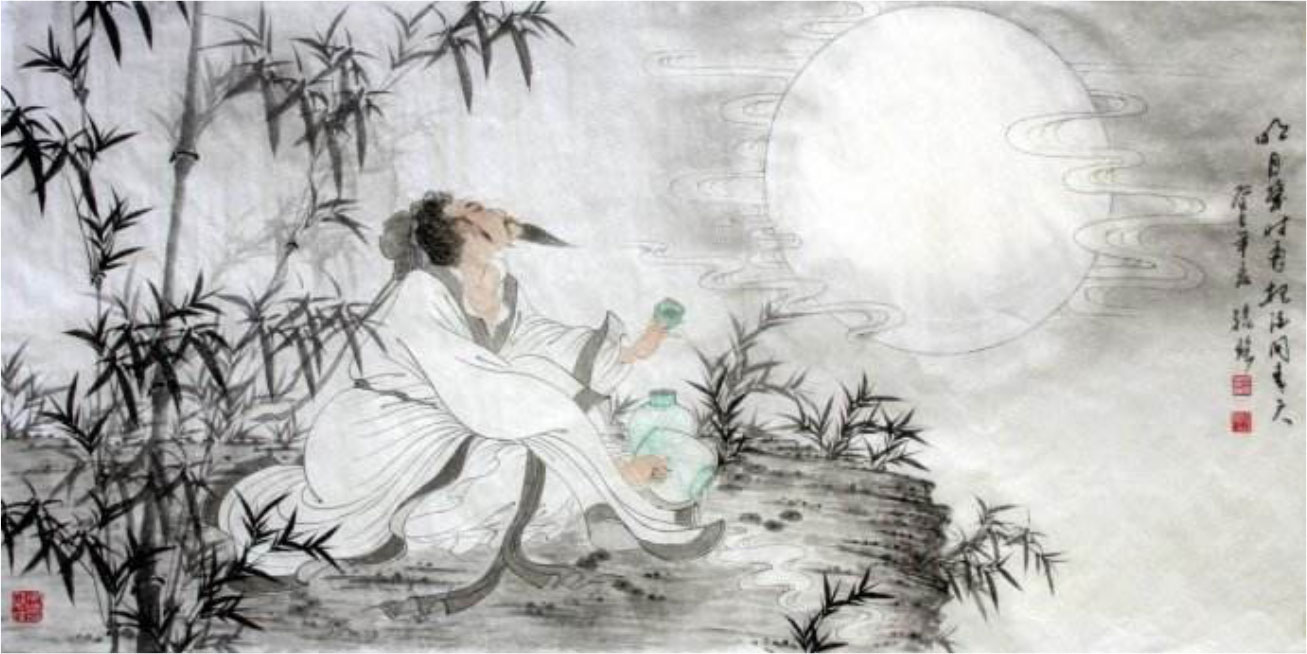
Song Dynasty poet, Su Dongpo aka Su Shi
“Let Life Live Through You“
~from Hokusai Says by Roger Keyes
Master Huang’s teaching encourages a holistic approach to Body, Heart/Mind & Spirit study through the practice of the Living Tao philosophy, metaphors, and forms. Over the course of this Series, while reviewing Tai Ji essentials, Master Huang will introduce new material in the following practice areas:
* Classics, Culture & Music: ZEN/CHAN Classic 永嘉證道歌 Yung-chia’s Song of Enlightenment (A new translation by Red Pine) Verse 12, along with the Tao Te Ching 道德經 (Dao De Jing) Verses 60 &17; I Ching 易經 (Yi Jing) Hexagrams 50, 51, & 24; and Trust In Mind Xin Xin Ming 信心銘 Introduction; and Joseph Campbell “Katharsis”; W.B, Yeats “The Second Coming; Su Dong Po aka Su Shi, “The Mid-Autumn Moon” 水调歌头·明月几时有;
* Related Calligraphy & Metaphors; and
* Continued Articulation & Development of the Tai Ji Forms.
POETRY
Mid-Autumn Moon Poem: Written by SU Shi (1037-1101)Translated by LIN Yutang (1895-1976)
How rare the moon, so round and clear!
With cup in hand, I ask of the blue sky,
“I do not know in the celestial sphere,
What name this festive night goes by?”
I want to fly home, riding the air,
But fear the ethereal cold up there,
The jade and crystal mansions are so high!
Dancing to my shadow,
I feel no longer the mortal tie.
She rounds the vermilion tower,
Stoops to silk-pad doors,
Shines on those who sleepless lie.
Why does she, bearing us no grudge,
Shine upon our parting, reunion deny?
But rare is perfect happiness–
The moon does wax,
the moon does wane,
And so men meet and say goodbye.
I only pray our life be long,
And our souls together heavenward fly!
Mid-Autumn Moon ⽔调歌头 明⽉⼏时有 —Alternate translation
View on YouTube
明月幾時有 ?How long will the full moon appear?
把酒問青天 。Wine cup in hand, I ask the sky.
不知天上宮闕 ,I do not know what time of year,
今夕是何年 ?Would it be tonight in the palace on high?
我欲乘風歸去 ,Riding the wind, there I would fly,
又恐瓊樓玉宇 ,Yet I’m afraid the crystalline palace would be
高處不勝寒 。too high and cold for me.
起舞弄清影 ,I rise and dance with my shadow I play.
何似在人間 ?On high as on earth, would he be as gay?
轉朱閣 ,The moon goes round the mansions red,
低綺戶 ,through gauze-draped windows to shed
照無眠 。her light upon the sleepless bed.
不應有恨 ,Against man she should have no spite.
何事長向別時圓 ?Why then when people part, is she oft full and bright.
人有悲歡離合 ,Men have sorrow and joy; they part or meet again.
月有陰晴圓缺 ,The moon is bright or dim and she may wax or wane.
此事古難全 。There has been nothing perfect since the olden days.
但願人長久 ,So let us wish that man will live long as he can!
千里共嬋娟 。Thousand miles apart, we’ll share the beauty she displays.
The Second Coming—by William Butler Yeats
Turning and turning in the widening gyre
The falcon cannot hear the falconer;
Things fall apart; the centre cannot hold;
Mere anarchy is loosed upon the world,
The blood-dimmed tide is loosed, and everywhere
The ceremony of innocence is drowned;
The best lack all conviction, while the worst
Are full of passionate intensity.
Surely some revelation is at hand;
Surely the Second Coming is at hand.
The Second Coming! Hardly are those words out
When a vast image out of Spiritus Mundi
Troubles my sight: somewhere in sands of the desert
A shape with lion body and the head of a man,
A gaze blank and pitiless as the sun,
Is moving its slow thighs, while all about it
Reel shadows of the indignant desert birds.
The darkness drops again; but now I know
That twenty centuries of stony sleep
Were vexed to nightmare by a rocking cradle,
And what rough beast, its hour come round at last,
Slouches towards Bethlehem to be born?
BA JI QUAN PRACTICE
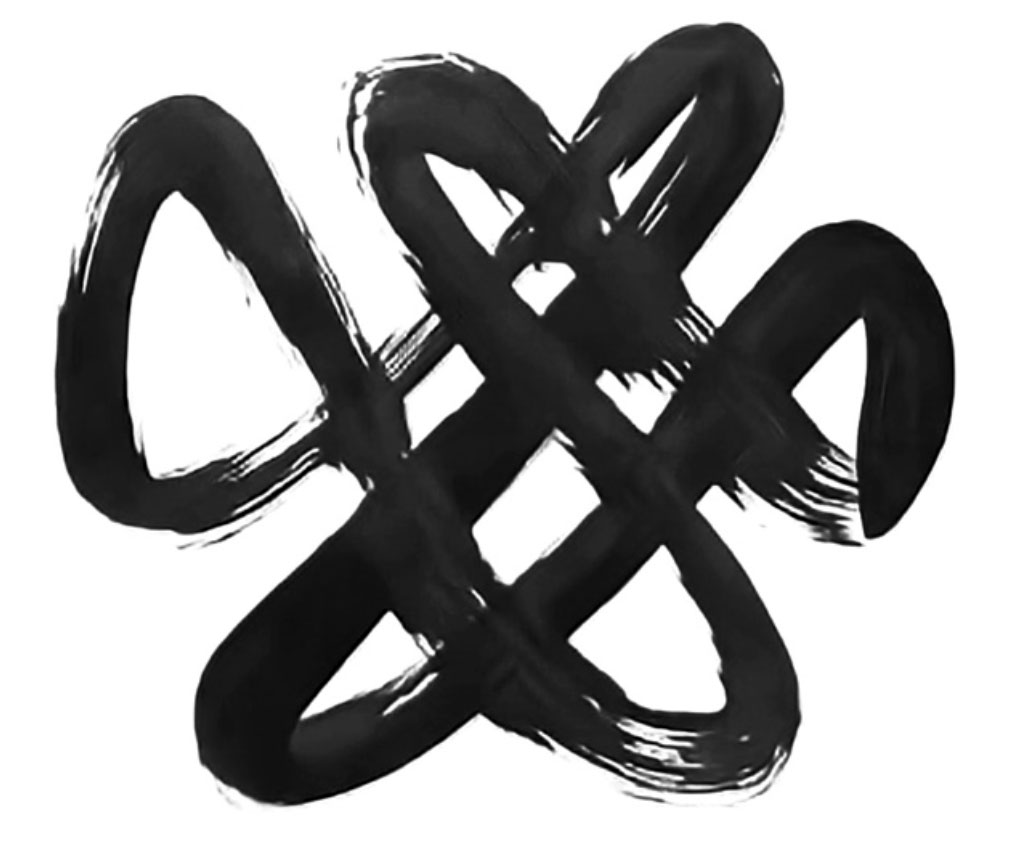
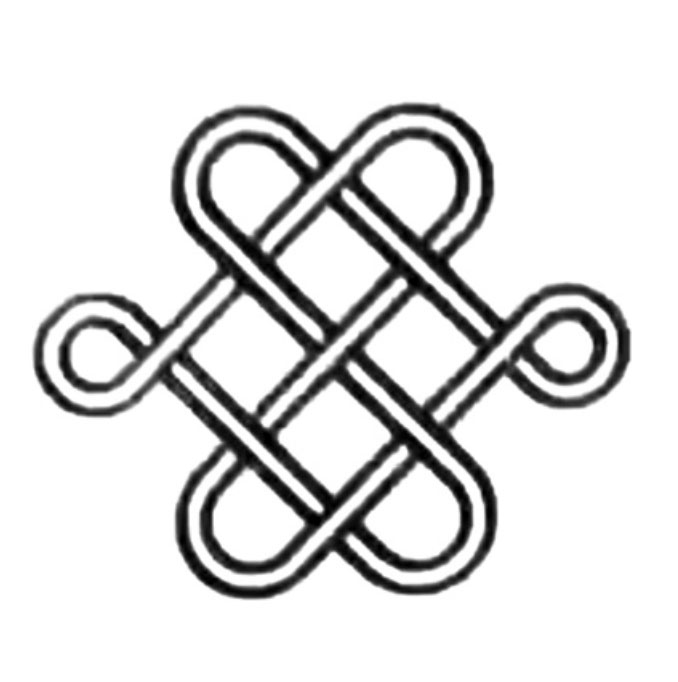
Ba Ji
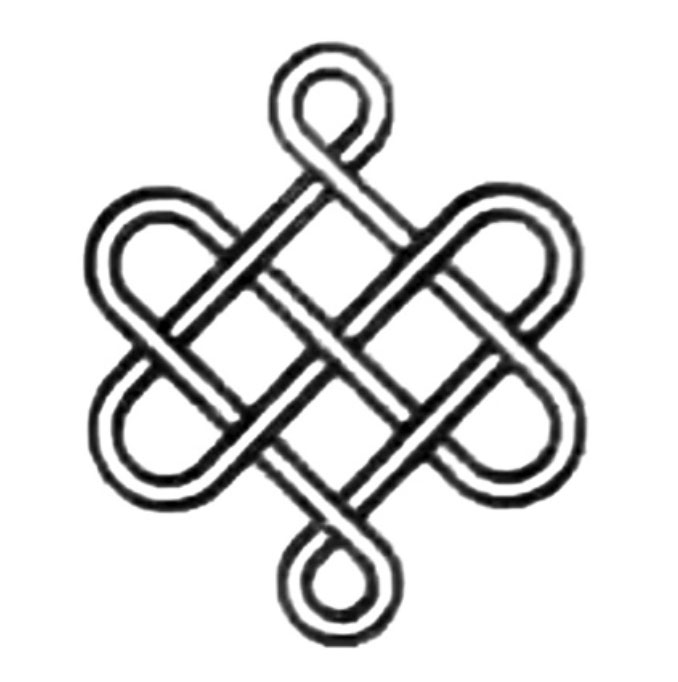
Eternal Knot
NOORXI NOORXI— Wiggling Wiggling 扭動些
Manchu dialect from 扭動些 (niǔdòng xie): Twisting or wiggling
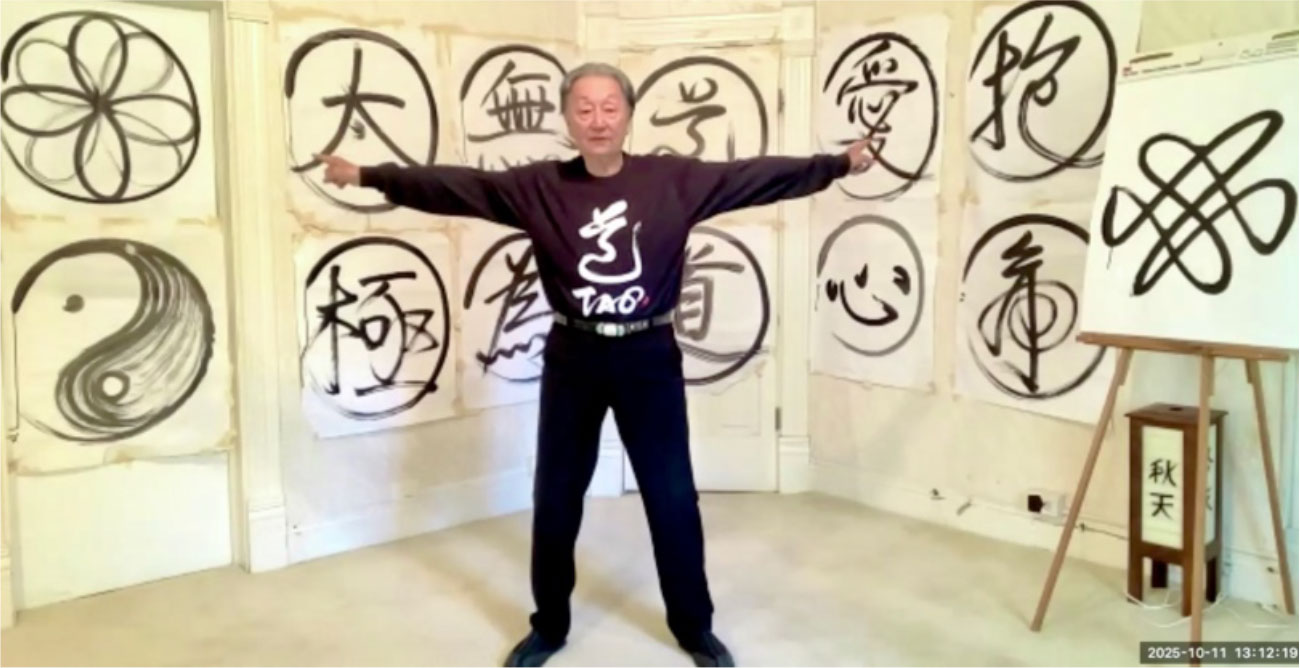
Jing Hua
Ba Ji
A Word from Chungliang about Noorxi Noorxi practice
“I am adding another warmup exercise with “Noorxi Noorxi, wiggling the body” from Mama Huang’s Ba Ji Quan practice, loosening the joints, allowing the CHI/Qi flow throughout to free the movement in the Ritual and the Essential Forms of Tai Ji.”
Evolution of Sun and Moon
MING: Brightness/Light
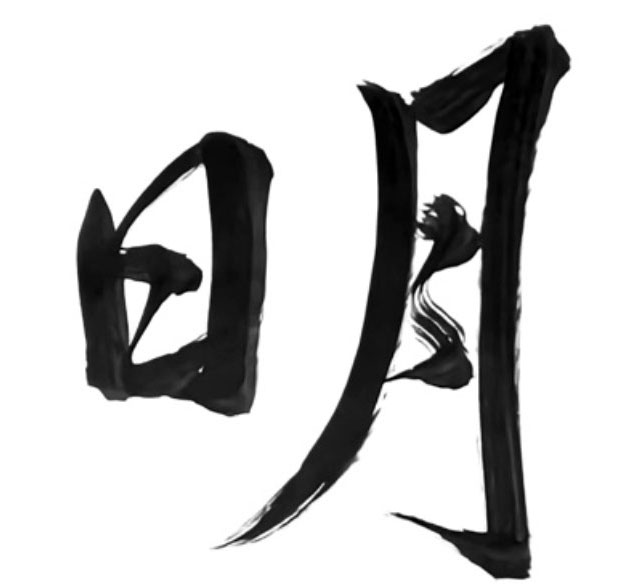
(Sun & Moon)
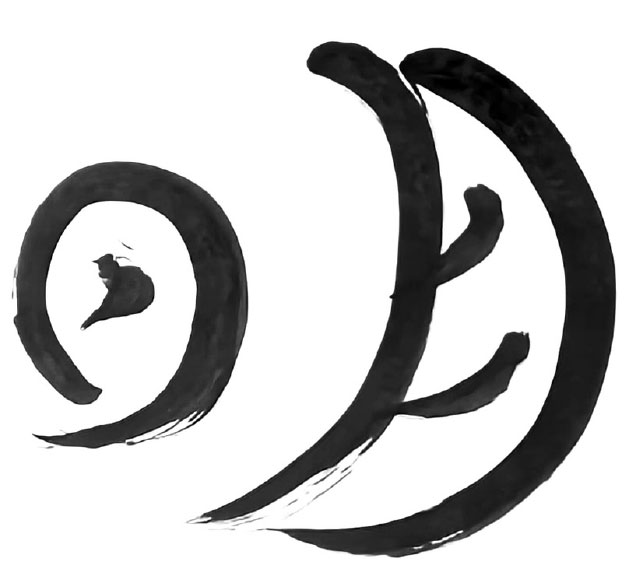
(Sun & Moon)
PENG: Friend
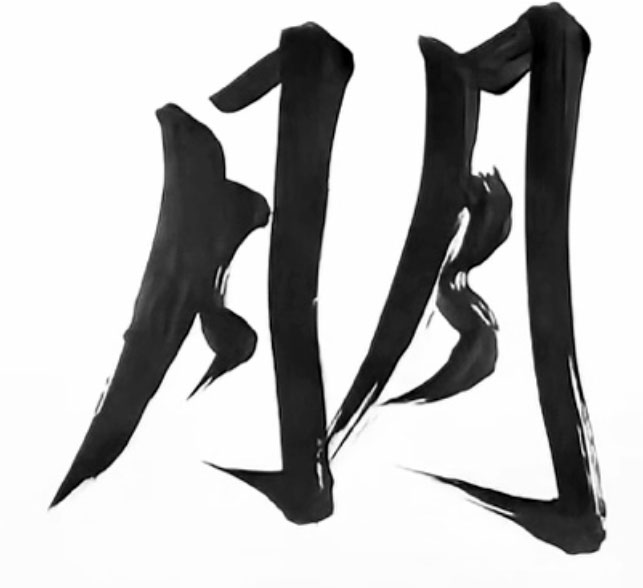
(Moon & Moon)
YI: Change
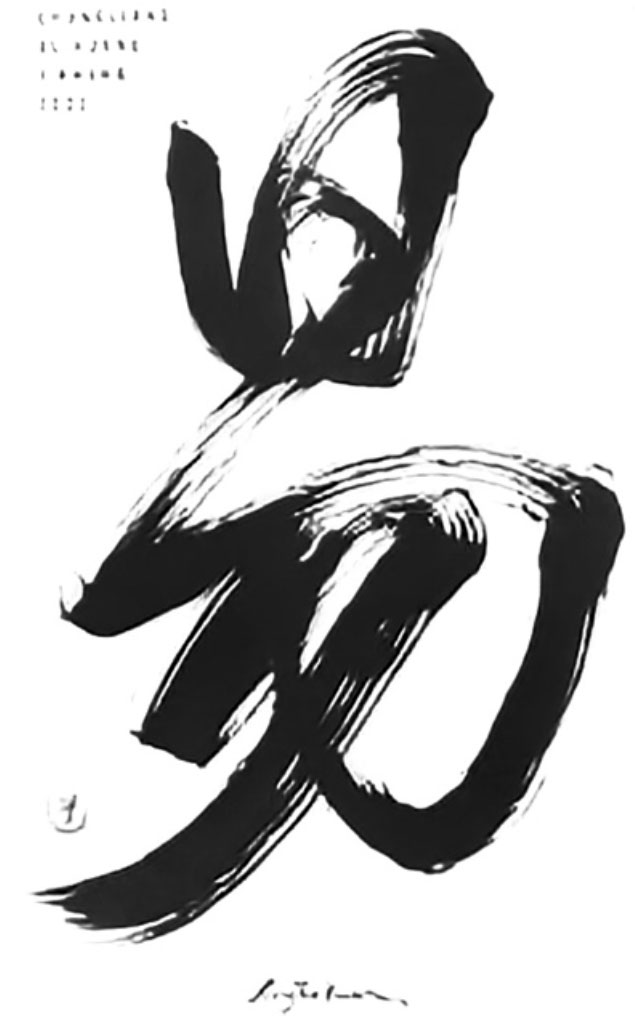
(Sun above Moon)
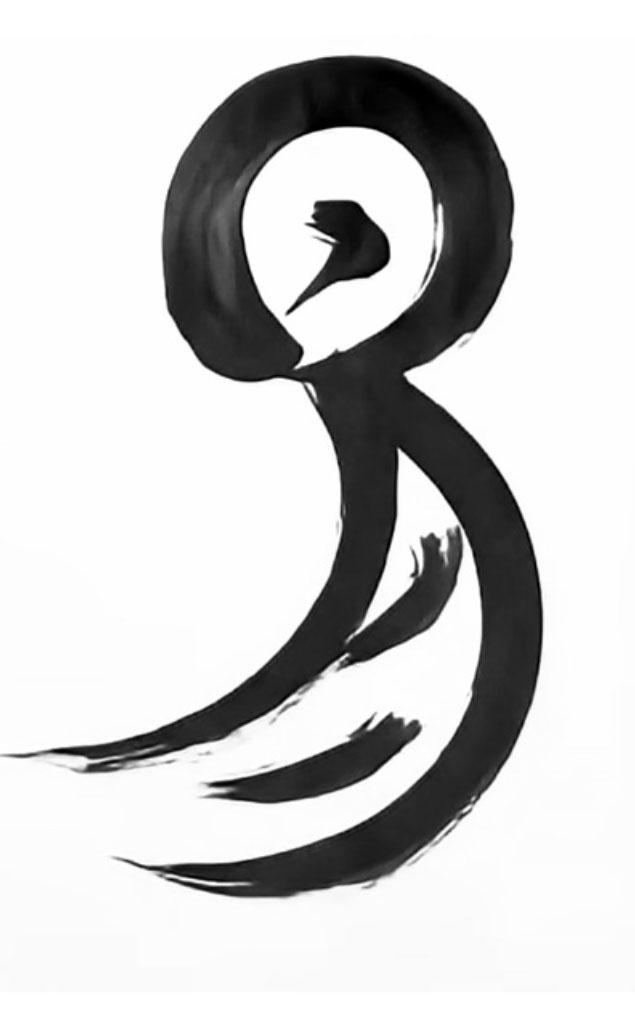
(Sun above Moon)
EXPLORE THE CLASSICS
Tao Te Ching 道德經 (Dao De Jing)
Verse 60: Occupying the Throne
Legge’s Translation
Susuki’s Translation
Goddard’s Translation
居位
Occupying the Throne
How to Maintain One’s Place
To Maintain Position
1
治⼤國,若
烹⼩鮮。
Governing a great state is like
cooking small fish.
Govern a great country as you
would fry small fish: [neither
gut nor scale them.]
One should govern a
great state as one fries
small fish (i.e., do not
scale or clean them).
2
以道蒞天
下,其⿁不
神;非其⿁
不神,其神
不傷⼈;非
其神不傷
⼈,聖⼈亦
不傷⼈。夫
兩不相傷,
故德交歸
焉。
Let the kingdom be governed according to the Dao, and the manes of the departed will not manifest their spiritual energy. It is not that those manes have not that spiritual energy, but it will not be employed to hurt men. It is not that it could not hurt men, but neither does the ruling sage hurt them. When these two do not injuriously affect each other, their good influences converge in the virtue (of the Dao).
If with Reason the empire is
managed, its ghosts will not
spook. Not only will its ghosts
not spook, but its gods will not
harm the people. Not only will
its gods not harm the people,
but neither will its holy men
harm the people. Since neither
will do harm, therefore their
virtues will be combined.
With Dao one may
successfully rule the
Empire. Ghosts will not
frighten, gods will not
harm, neither will wise
men mislead the people.
Since nothing frightens
or harms the people, de
[teh] will abide.
Verse 17: The Unadulterated Influence
Legge’s Translation
Susuki’s Translation
Goddard’s Translation
淳⻛
The Unadulterated Influence
Simplicity In Habits
Simplicity of Habit
1
太上,下不
知有之;其
次,亲⽽誉
之;
In the highest antiquity, (the people) did not know that there were (their rulers). In the next age they loved them and praised them. In the next they feared them; in the next they despised them.
Of great rulers the subjects
do not notice the existence.
To lesser ones people are
attached; they praise them.
Still lesser ones people fear,
and the meanest ones people
despise.
When great men rule, subjects
know little of their existence.
Rulers who are less great win
the affection and praise of
their subjects. A common
ruler is feared by his subjects,
and an unworthy ruler is
despised.
2
其次,畏
之;其次,
侮之。信不
⾜焉,
Thus it was that when faith (in the Dao) was deficient (in the rulers) a want of faith in them ensued (in the people).
For it is said: “If your faith
be insufficient, verily, you
will receive no faith.”
When a ruler lacks faith, you
may seek in vain for it among
his subjects.
3
有不信焉。
悠兮其贵
⾔。功成事
遂,百姓皆
谓:「我⾃
然」。
How irresolute did those (earliest rulers) appear, showing (by their reticence) the importance which they set upon their words! Their work was done and their undertakings were successful, while the people all said, “We are as we are, of ourselves!”
How reluctantly they [the
great rulers] considered their
words! Merit they
accomplished; deeds they
performed; and the hundred
families thought: “We are
independent.”
How carefully a wise ruler
chooses his words. He
performs deeds, and
accumulates merit! Under
such a ruler the people think
they are ruling themselves.
I Ching 易經 (Yi Jing):
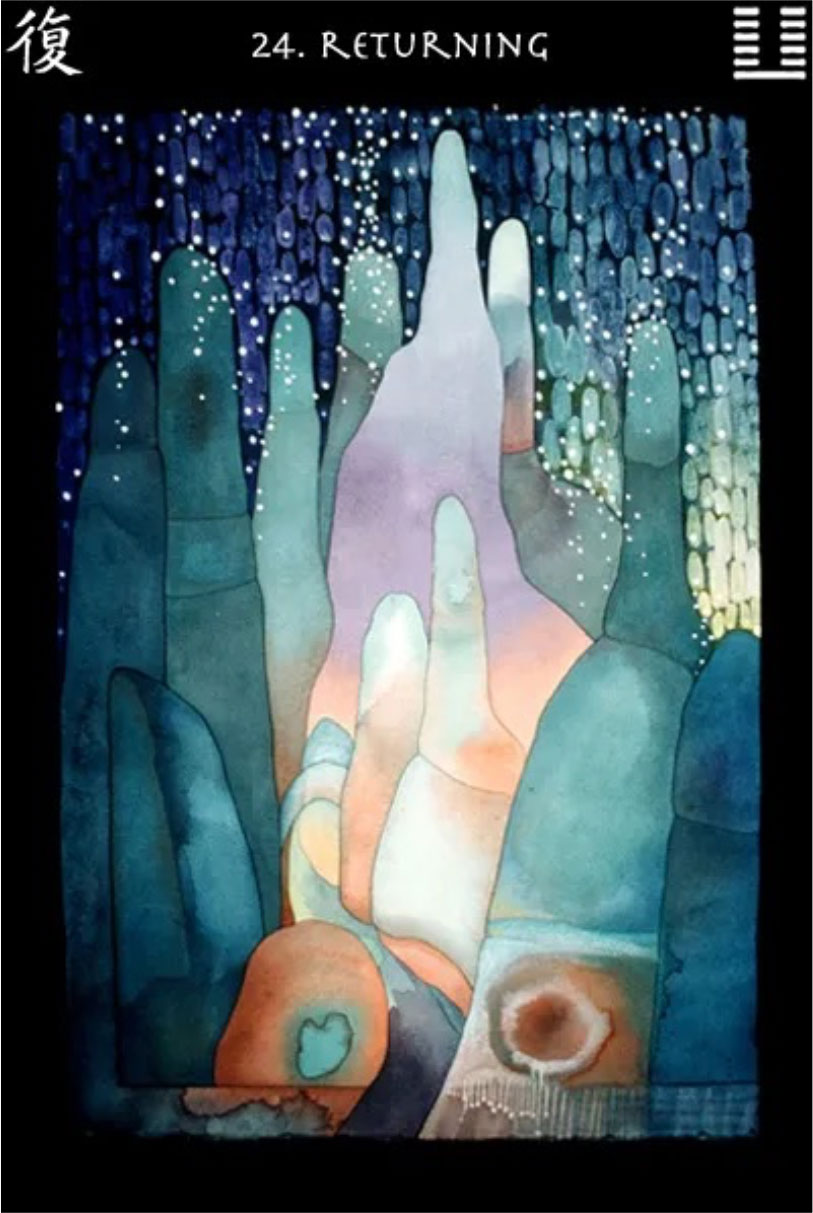
Hexagram #24 The Return/Turning Point
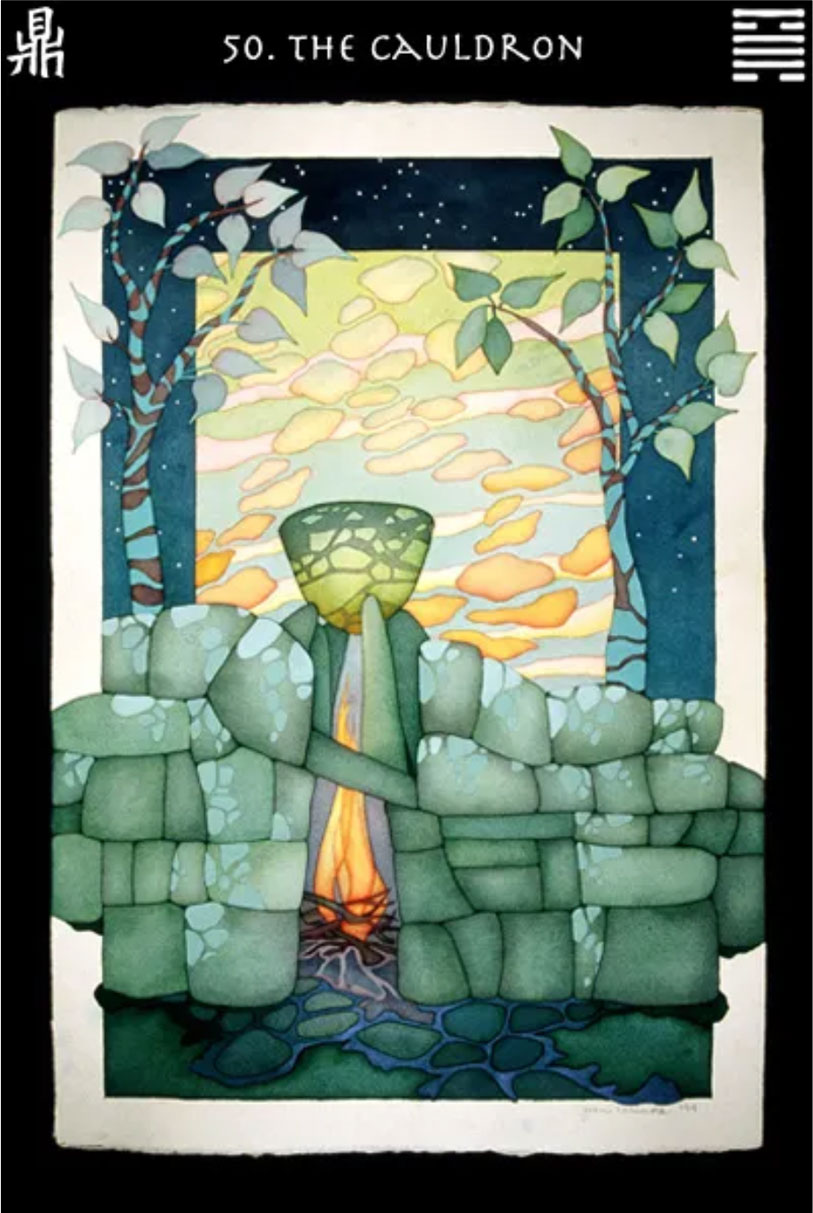
Hexagram #50 – The Cauldron
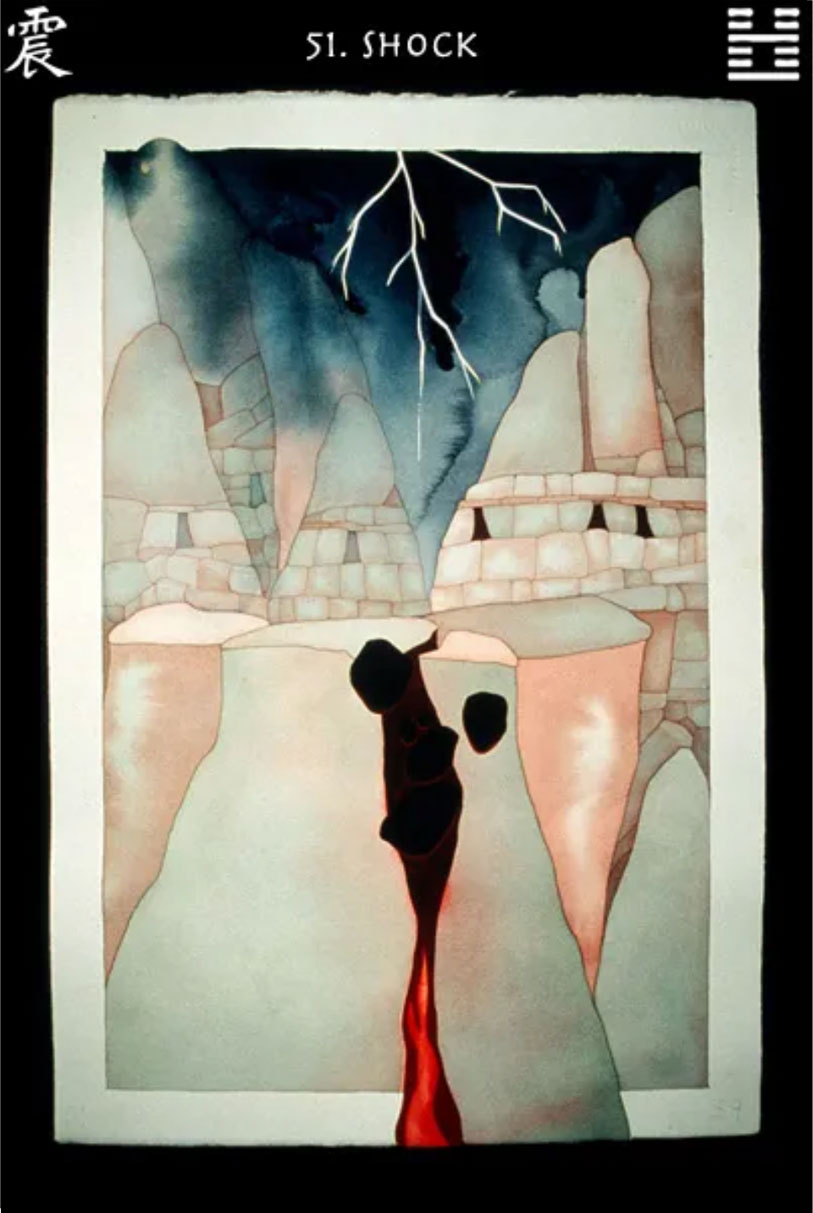
Hexagram #51 Thunder
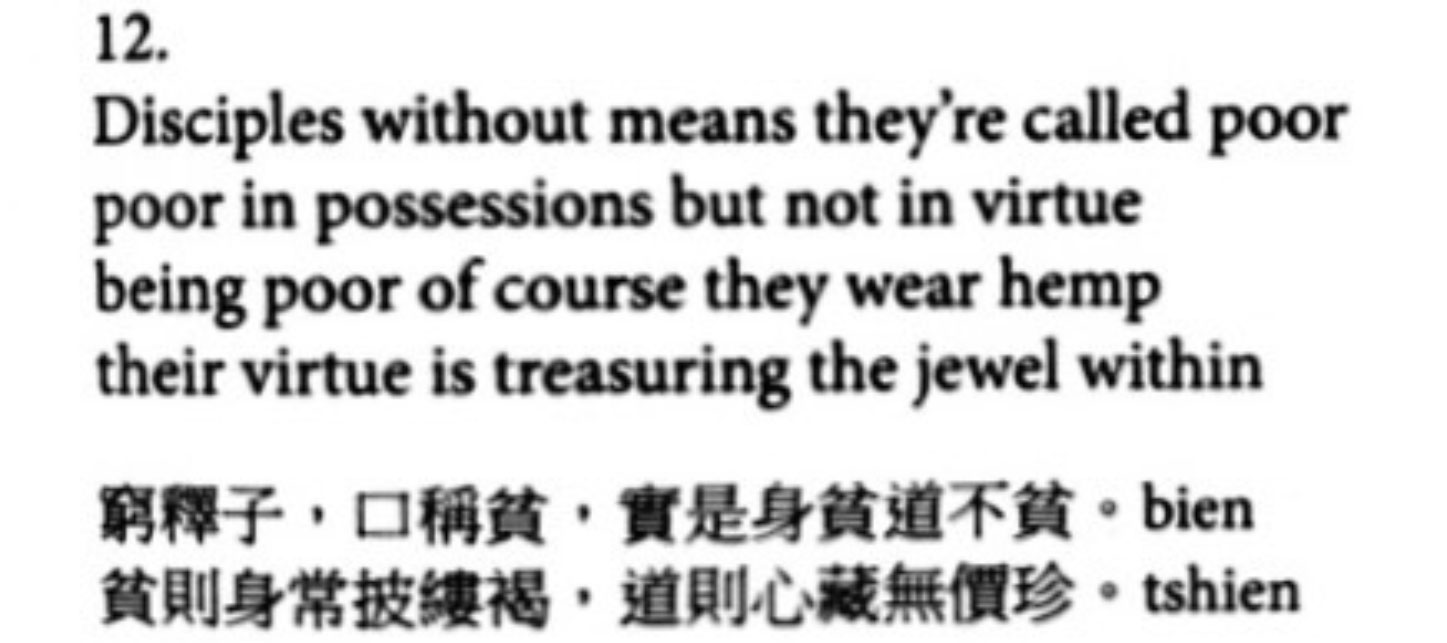
Yung-chia’s SONG OF ENLIGHTENMENT 永嘉證道歌
Translated by Red Pine
Hsin Hsin MIng 信心銘 (Xin Xin Ming)—Trust In Heart/Mind
Opening & Closing Verses
The opening verse sets out the fundamental principle:
The best way [Great Way, the Tao] is not difficult
It only excludes picking and choosing
Once you stop loving and hating
It will enlighten itself.
(trans. D. Pajin)
Alternatively:
The Perfect Way knows no difficulties
Except that it refuses to make preferences;
Only when freed from hate and love,
It reveals itself fully and without disguise
(trans. By D.T Suzuki)
And:
There is nothing difficult about the Great Way,
But avoid choosing!
Only when you neither love nor hate,
Does it appear in all clarity.
(trans. R.H. Blyth, Zen and Zen Classics)
Last verse (the poem ends with):
Emptiness here, Emptiness there,
but the infinite universe stands always before your eyes.
Infinitely large and infinitely small;
no difference, for definitions have vanished
and no boundaries are seen.
So too with Being
and non-Being.
Don’t waste time in doubts and arguments
that have nothing to do with this.
One thing, all things:
move among and intermingle, without distinction.
To live in this realization
is to be without anxiety about non-perfection.
To live in this faith is the road to non-duality,
Because the non-dual is one with the trusting mind.
Words! The Way is beyond language,
for in it there is
no yesterday
no tomorrow
no today.
(trans. Richard B. Clarke)
Alternatively:
One in All,
All in One—
If only this is realized,
No more worry about your not being perfect!
Where Mind and each believing mind are not divided,
And undivided are each believing mind and Mind,
This is where words fail;
For it is not of the past, present, and future.
(trans. D.T. Suzuki)
And:
One thing is all things;
All things are one thing.
If this is so for you,
There is no need to worry about perfect knowledge.
The believing mind is not dual;
What is dual is not the believing mind.
Beyond all language,
For it there is no past, no present, no future.
(trans. R.H. Blyth, Zen and Zen Classics)
CHUNGLIANG SPEAKS ABOUT TODAY’S LEARNING
“When things fall apart the center must hold. Only we can hold the center by practicing our tai ji properly. By loosening up and still know we can hold our center without holding tight.…Everything is falling apart. We can bring it together, make it whole again, within our own selves.”
SUPPLEMENTAL REFERENCES
Music
- “Yu Ko 魚歌 ” by Chou Wen-chung 周文中 CRI American Masters
- Adagio for Strings,Op.11 by Samuel Barber— conducted by Leonard Bernstein—“Legend Bernstein”—Sony Classical
The World Mourns for Jane Goodall