Autumn Living Tao Essential Tai Ji Series — Session Three
(November 2025)
Download Printed PDF All Study Materials

“Let Life Live Through You”
~from Hokusai Says by Roger Keyes
Master Huang’s teaching encourages a holistic approach to Body, Heart/Mind & Spirit study through the practice of the Living Tao philosophy, metaphors, and forms. Over the course of this Series, while reviewing Tai Ji essentials, Master Huang will introduce new material in the following practice areas:
* Classics, Culture & Music: ZEN/CHAN Classic 永嘉證道歌 Yung-chia’s Song of Enlightenment (A new translation by Red Pine; Tao Te Ching 道德經 (Dao De Jing) Verses 48; I Ching 易經 (Yi Jing) Hexagrams 40; and Trust In Mind Xin Xin Ming 信心銘 Introduction; and Chants/Sutras: Guan Yin Chant, Joseph Campbell/Hindu “Satchitananda” & 念經 Nian Jing; Autumn poem by Xin Qi Ji 辛棄疾 (1140-1207);
* Related Calligraphy & Metaphors; and
* Continued Articulation & Development of the Tai Ji Forms.
I CHING 易經 (Yi Jing):
Hexagram #40 Deliverance/Release
JIE (aka XIE)
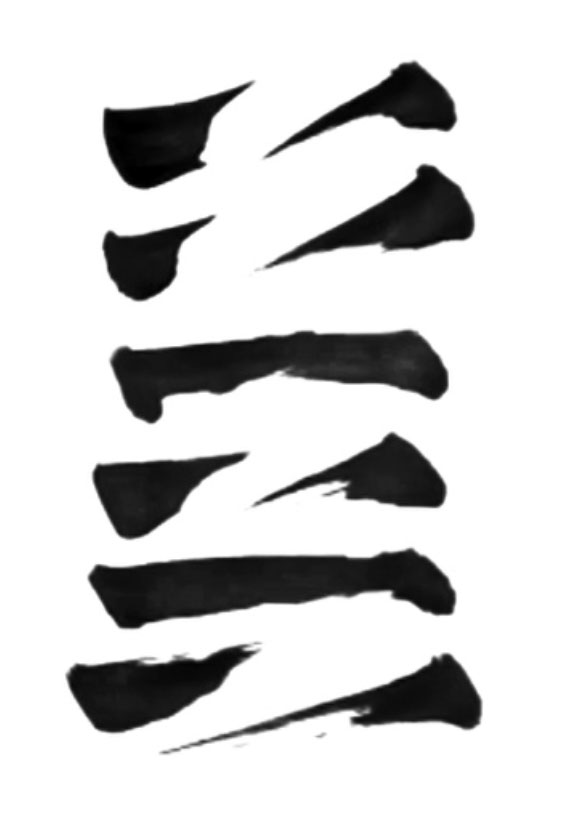
Hexagram #40
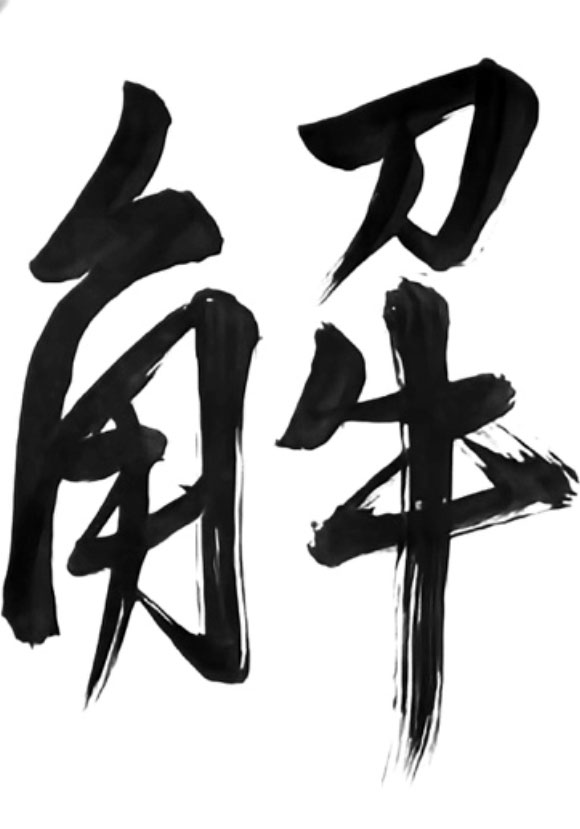
Jie / Xie
Release-Liberate-Letting Go
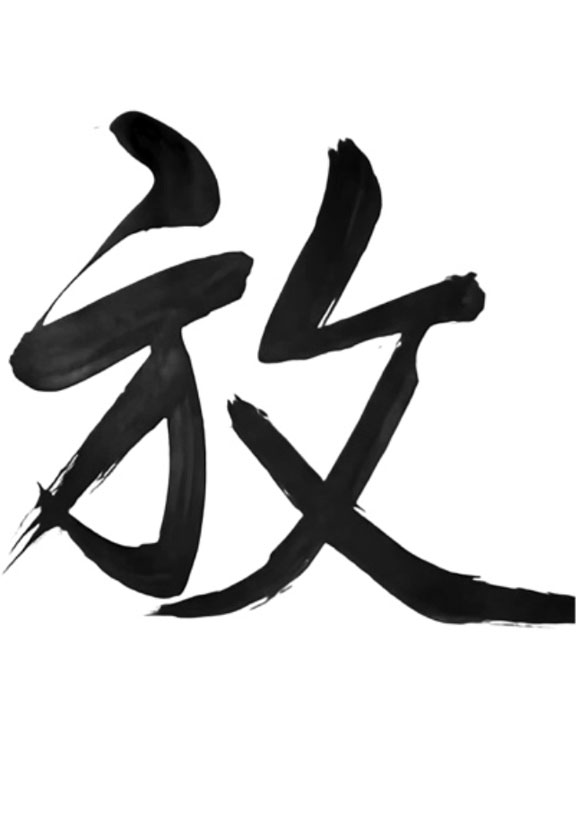
Fang
Jie
Release/Soften-Relax-Drop Loose
Fang
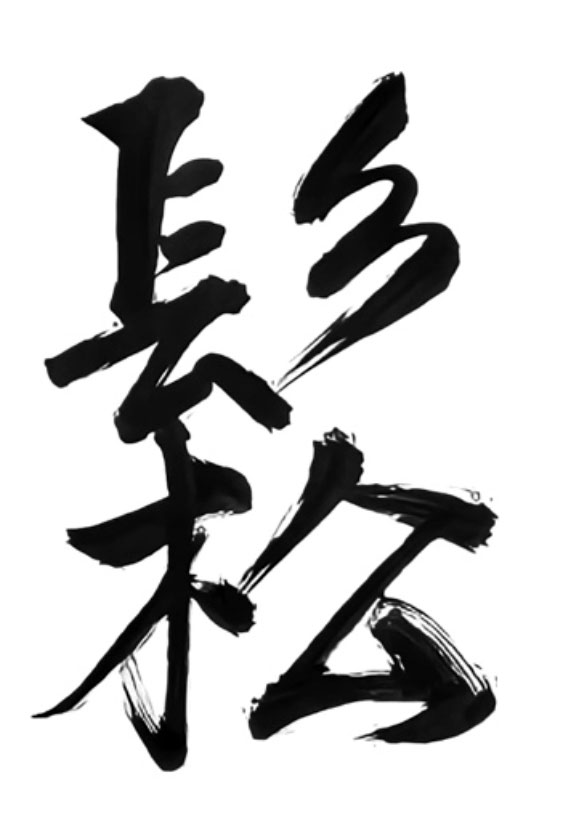
Son
Gather/Collect To Middle—Focus In The Center
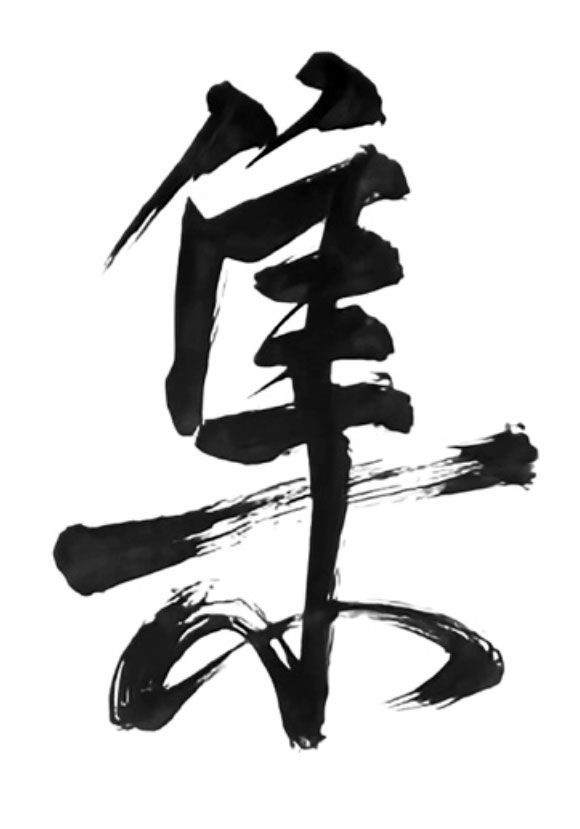
Ji / collect
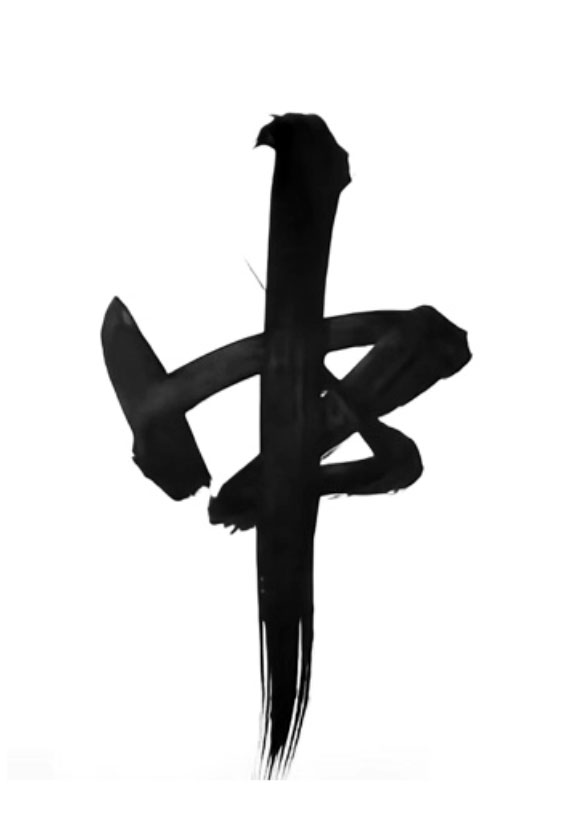
Zhong / center
Open To Release-To Let Go
Fang / release
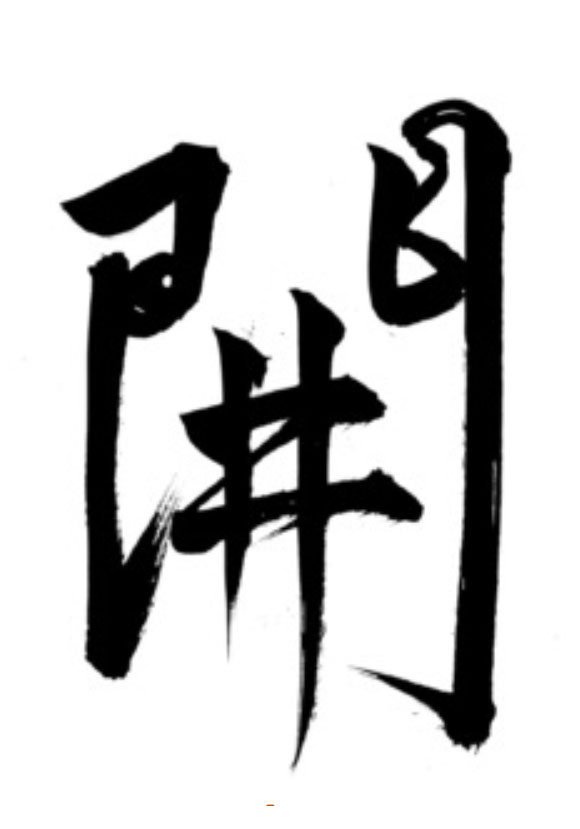
Kai / open
Forward-In Front/In Back-Come Back
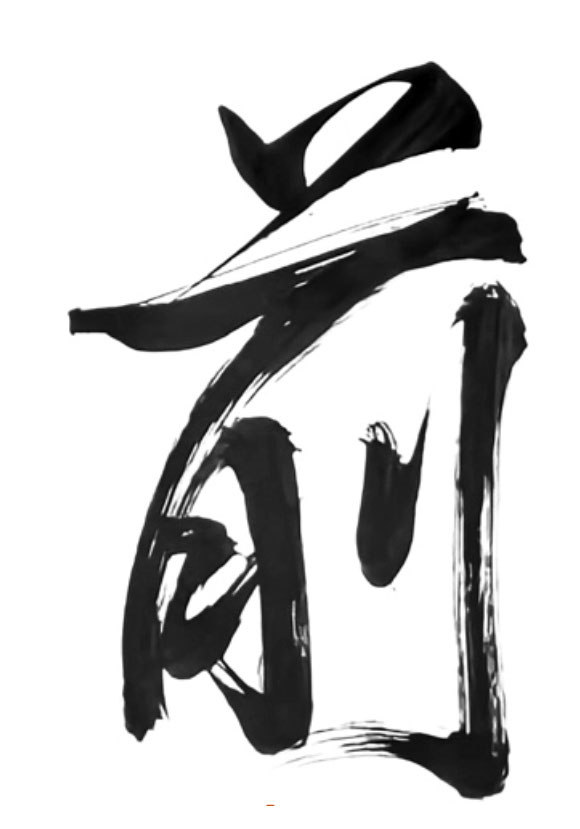
Qian / forward
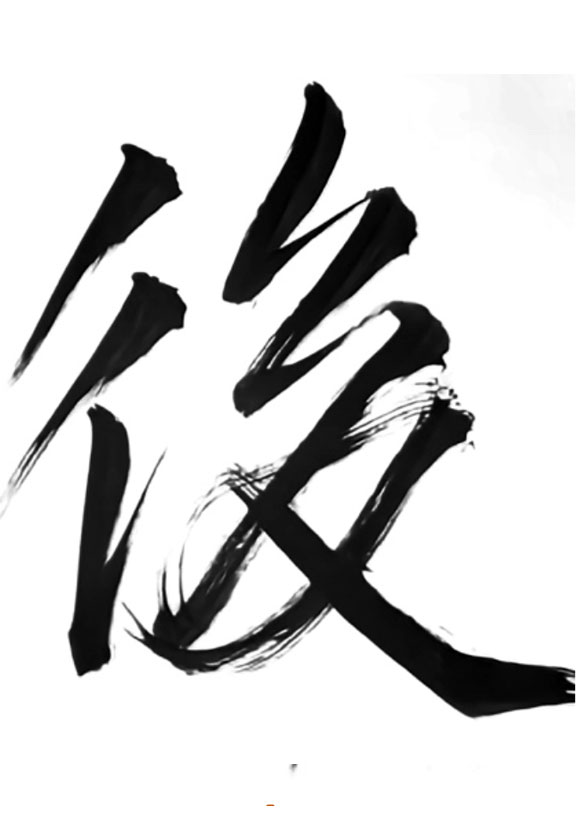
Hou / come back
Left Then Right—Swing Back
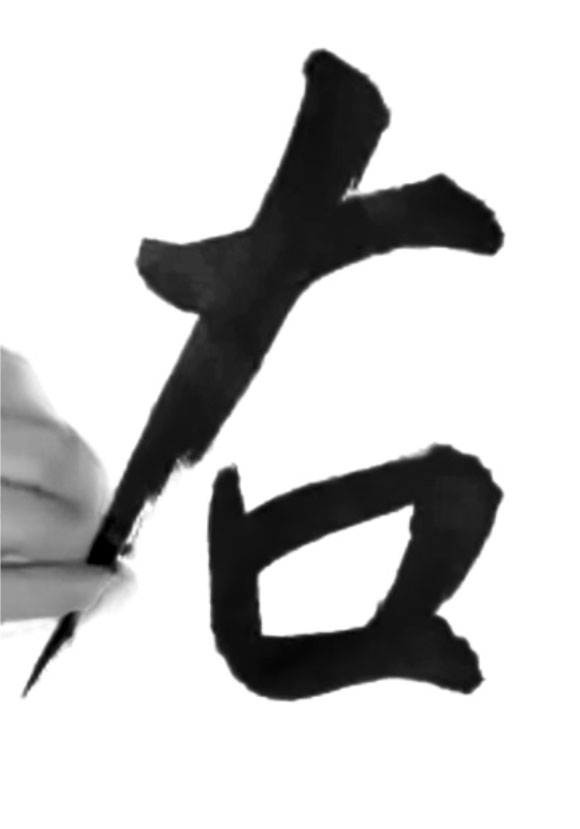
You / right
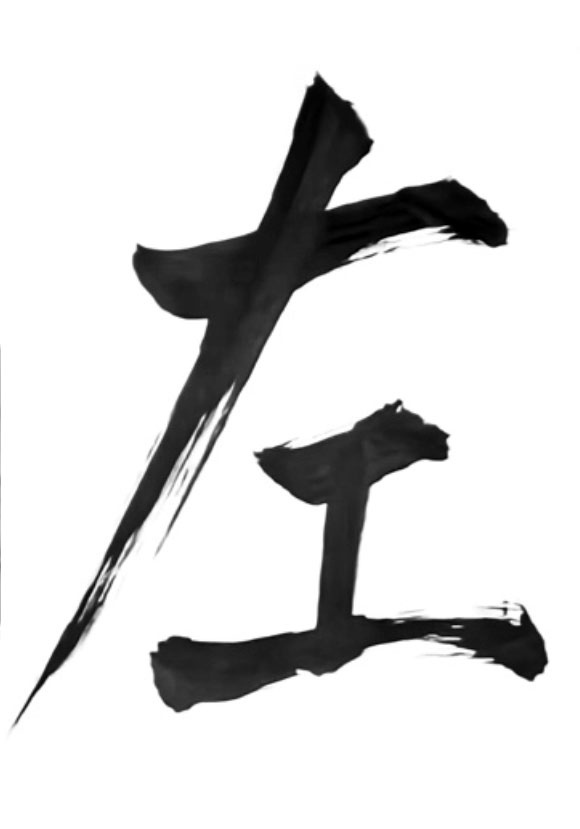
Zou / left
Lift And Sink
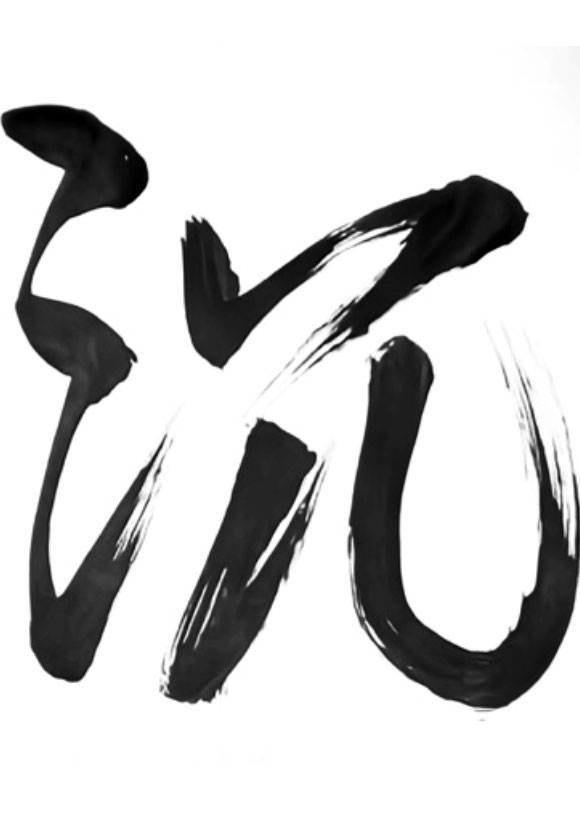
Chen / sink
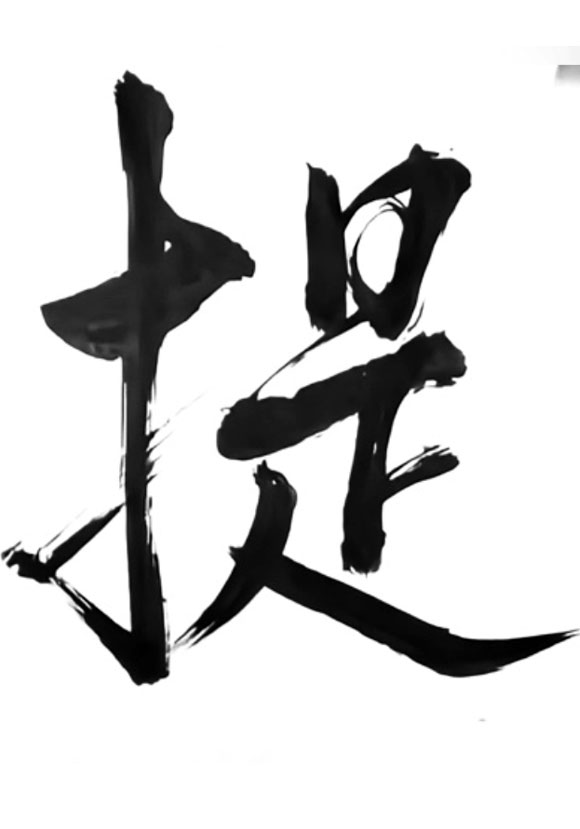
Ti / lift
Enter Forward/Retreat Backward
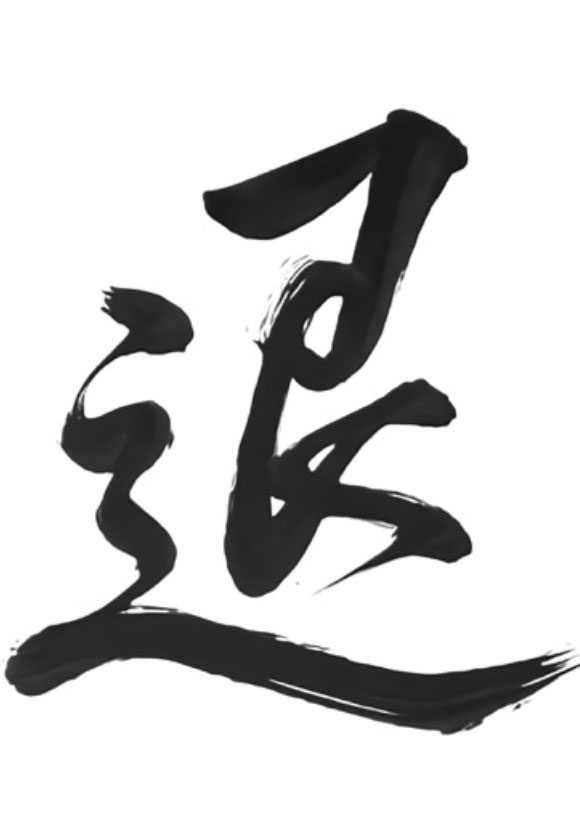
Tui / retreat
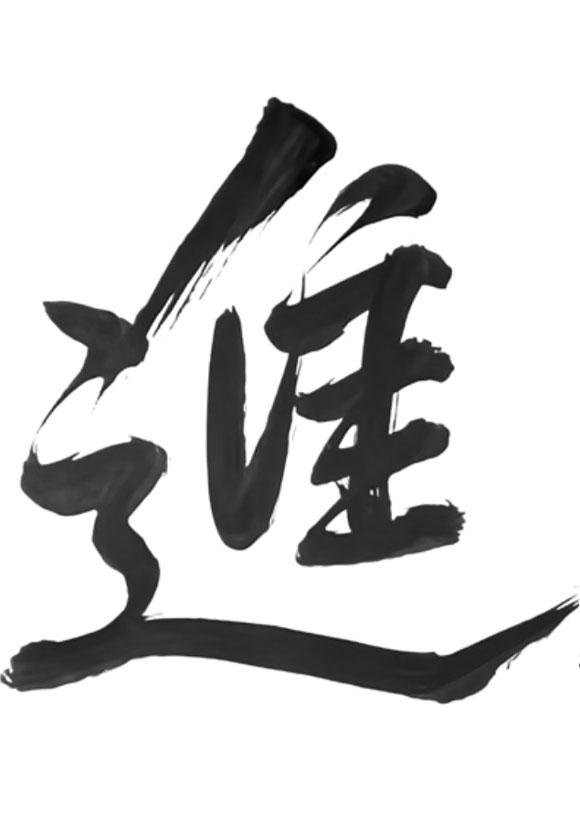
Jin / enter
CHANTING / SUTRAS
Guan Yun Chant
Namo Guan Shi Yin Pusa
Joyfully participating in the sorrows of the world
Satchitananda Chant
Sat (Being present) Chit (in full consciousness) Ananda (to experience Rapture)
Follow your Bliss!
念經 Nian Jing
(Chanting Sutras)
意念 Yi Nian (sound 音 of the heart/mind 心—Here and Now—Bell Ringing “Now” Heart/Mind)
念 念 Nian Nian (Now Heart/Mind Consciousness)
念念念 Nian Nian Nian (Now Now Now Here Here Here—Full consciousness presence)
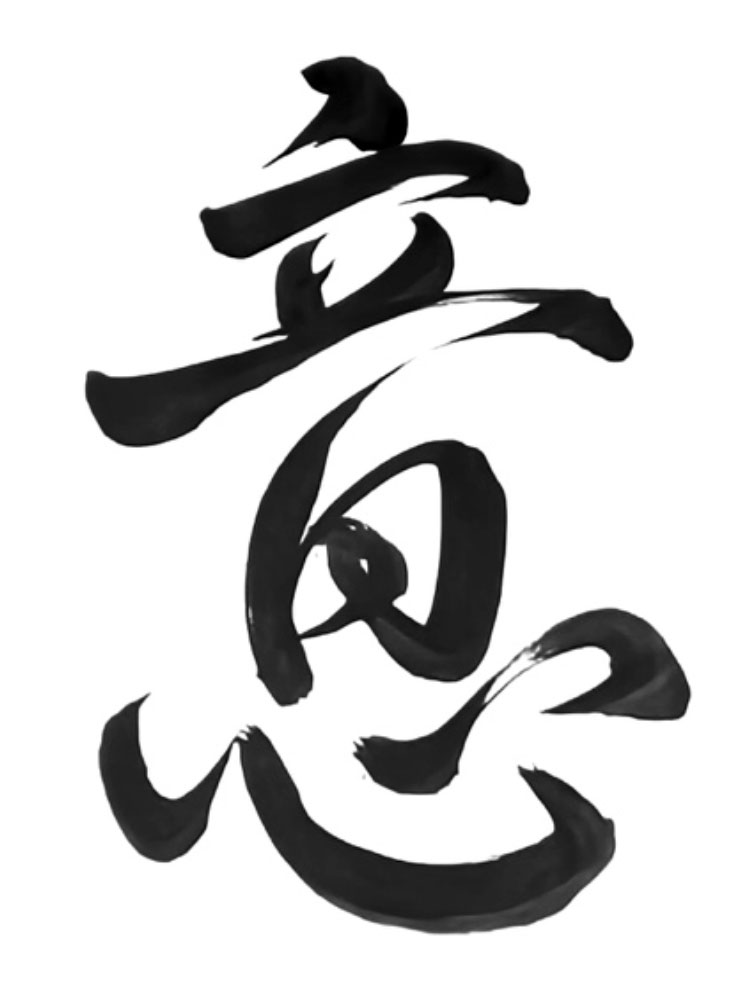
Yi (sound/music of the heart)
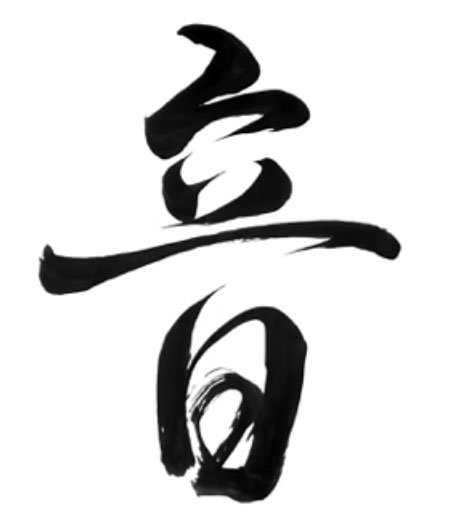
Yin / sound
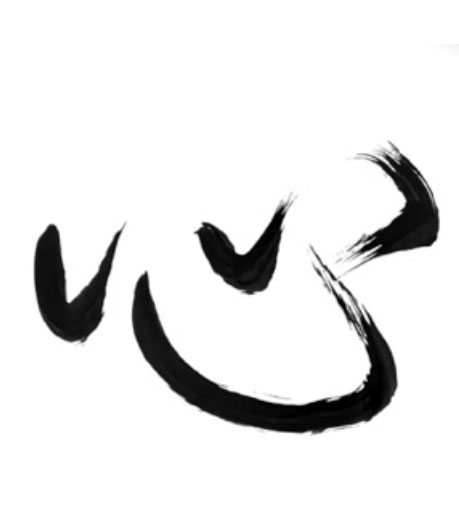
Zin / heart mind
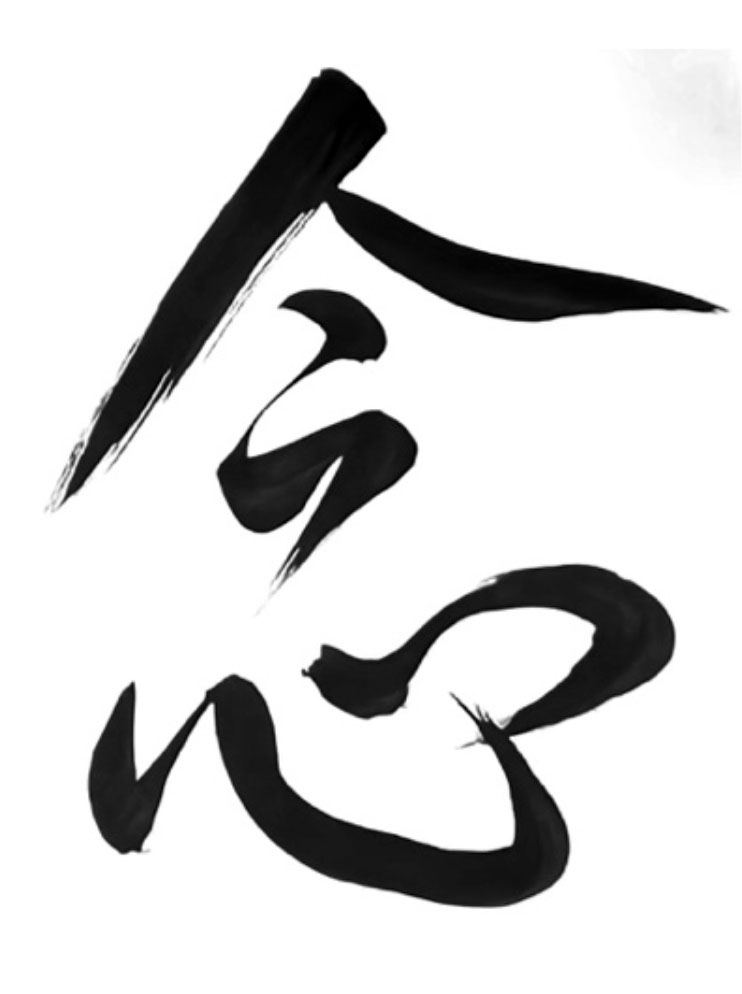
Nian (at this moment/wake up!
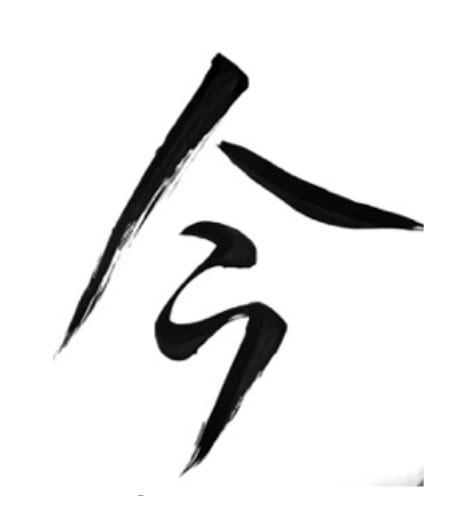
Jing / Bell Ringing
Zin / heart mind
POETRY
Autumn poem by Xin Qi Ji 辛棄疾 (1140-1207)
辛棄疾 少年不識愁滋味 愛上層樓 In my youth I knew not what were grief and woe
《醜奴兒/采桑子‧書博山道中壁》
南宋‧辛棄疾
少年不識愁滋味,
愛上層樓,
愛上層樓 ;
為赋新詞強說愁。
而今識盡愁滋味,
欲說還休,
欲說還休 ;
卻道天凉好個秋
Translations
In my youth,
with no real taste of sorrow, trying to write verses,
climbing up and
climbing up higher plateaus,
forcing myself to express “sorrow”.
And now, have thoroughly experienced sorrow,
loathe to talk about it,
loathe to talk about it
— instead, just enjoy this cool autumn day!
Trans. by Chungliang Al Huang
In my young days,
I had tasted only gladness,
But loved to mount the top floor,
But loved to mount the top floor,
To write a song pretending sadness.
And now I have tasted
Sorrow’s flavours, bitter and sour,
And can’t find a word,
And can’t find a word.
But merely say, “What a golden autumn hour!
Trans. by 林語堂 Lin Yutang (1895 – 1976)
In my youth I knew not what were grief and woe
Up the storeys I loved to go.
Up the storeys I loved to go,
For my new songs I just feigned my grief and woe!
Of grief and woe I’ve tasted the flavours today –
I’d like to talk but just wouldn’t say;
I’d like to talk but just wouldn’t say,
O! What a chilly Autumn, what a fine day!
Trans. by Frank C Yue
While young I failed to know the taste of woe.
I climbed upstairs with gusto;
I climbed upstairs with gusto.
I used to write new songs with fake sorrow.
Now I know the taste of grief as I grow.
Try to speak but I stall though;
Try to speak but I stall though.
“A cool fall day!” I finally say so.
By 夜⽉星河 ‘Night Moon Starry River
TAO TE CHING 道德經 (Dao De Jing)
Verse 48: Forgetting Knowledge
Legge’s Translation
Susuki’s Translation
Goddard’s Translation
忘知
Forgetting Knowledge
Forgetting Knowledge
To Forget Knowledge
1
為學⽇
益,為道
⽇損。損
之⼜損,
以⾄于無
為。無為
⽽無不
為。
He who devotes himself to learning (seeks) from day to day to increase (his knowledge); he who devotes himself to the Dao (seeks) from day to day to diminish (his doing). He diminishes it and again diminishes it, till he arrives at doing nothing (on purpose).
Having arrived at this point of non-action, there is nothing which he does not do.
He who seeks
learnedness will daily
increase. He who seeks
Reason will daily
diminish. He will
diminish and continue
to diminish until he
arrives at non-assertion.
He who attends daily to
learning increases in
learning. He who practices
Dao daily diminishes.
Again and again he
humbles himself. Thus he
attains to non-doing (wu
wei). He practices non-
doing and yet there is
nothing left undone.
2
取天下常
以無事,
及其有
事,不⾜
以取天
下。
He who gets as his own all under heaven does so by giving himself no trouble (with that end). If one take trouble (with that end), he is not equal to getting as his own all under heaven.
With non-assertion there
is nothing that he cannot
achieve. When he takes
the empire, it is always
because he uses no
diplomacy. He who uses
diplomacy is not fit to
take the empire.
To command the empire
one must not employ craft.
If one uses craft he is not fit
to command the empire.
POETRY
The Old Wisdom by Jane Goodall
When the night wind makes the pine trees creak
And the pale clouds glide across the dark sky,
Go out my child, go out and seek
Your soul: The Eternal I.
For all the grasses rustling at your feet
And every flaming star that glitters high
Above you, close up and meet
In you: The Eternal I.
Yes, my child, go out into the world; walk slow
And silent, comprehending all, and by and by
Your soul, the Universe, will know
Itself: the Eternal I.
SUPPLEMENTAL REFERENCES
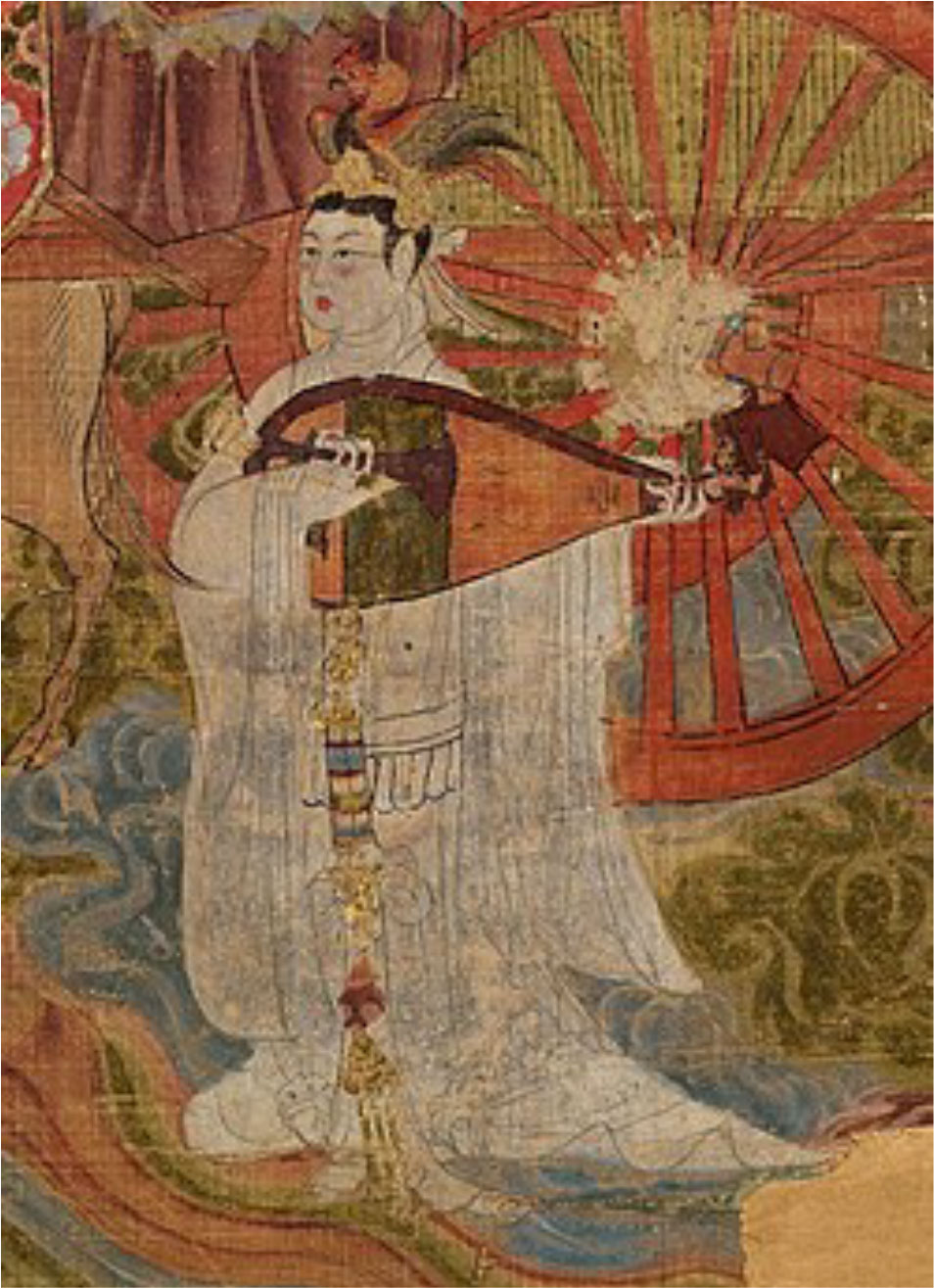
The pipa is one of the most popular Chinese instruments and has been played for almost two thousand years in China.
The pipa reached a height of popularity during the
Tang dynasty and was a principal musical
instrument in the imperial court. It may be played as
a solo instrument or as part of the imperial orchestra
for use in productions such as daqu (大曲, grand
suites), an elaborate music and dance performance.
A famous poem by Bai Juyi, “Pipa xing” (琵琶行),
contains a description of a pipa performance during
a chance encounter with a female pipa player on the
Yangtze River:
Thick strings clatter like splattering rain,
Fine strings murmur like whispered words,
Clattering and murmuring, meshing jumbled sounds,
Like pearls, big and small, falling on a platter of jade.
MUSIC FROM TODAY’S SESSION
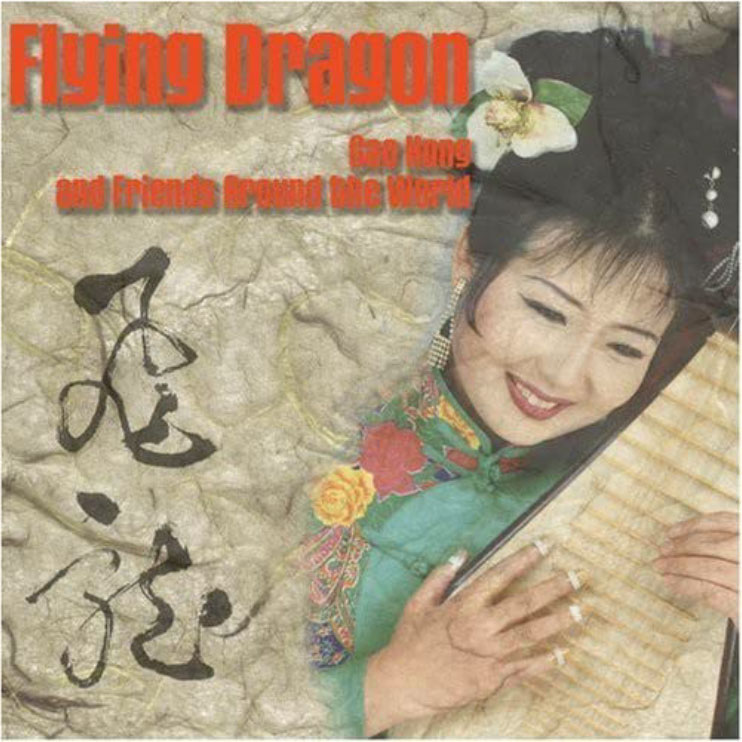
Morning from Flying Dragon by Gao Hong and Friends Around the World. Pipa-Sitar and Tabla
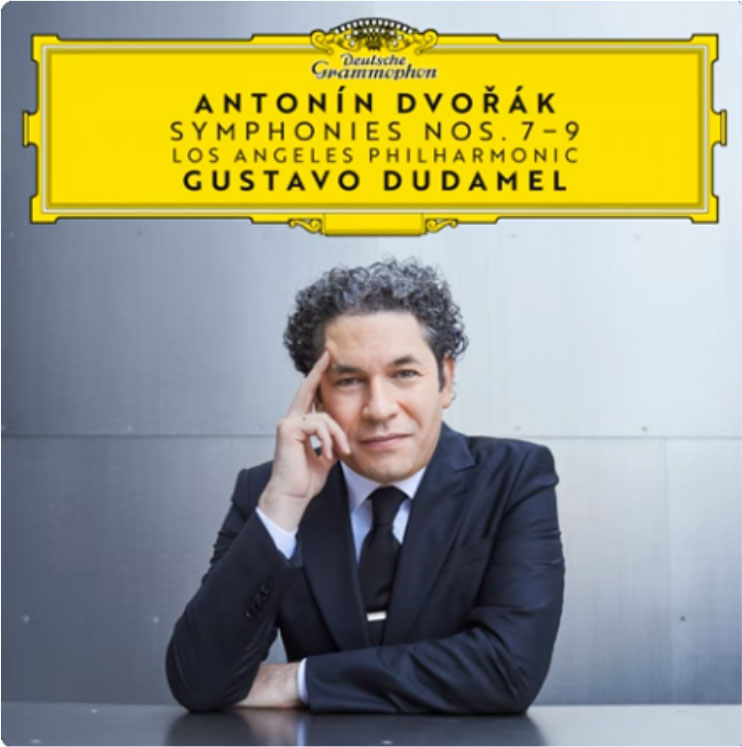
Antonin Dvořák: Symphony No. 9 in E Minor, Op. 95, B. 178, “From the New World”: II. Largo Los Angeles Philharmonic with Gustavo DudameI
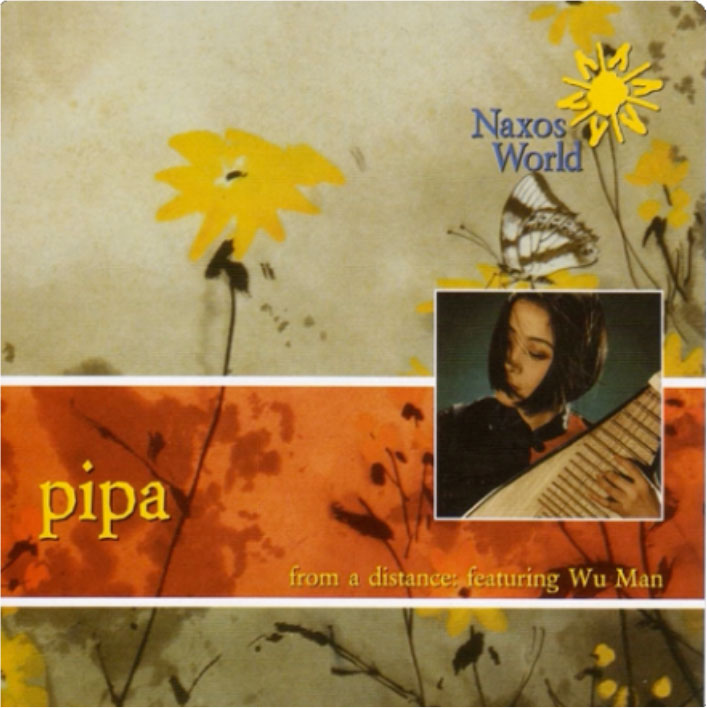
Dancing! Album: China Man Wu: From A Distance – Pipa Wu Man (PiPa) and Stuart Dempster (Didgeridoo).